I know, because I was one of them. I started as an office manager in an HVAC and electrical business, with nothing but an accounting package to run it on. I learned how much of a business lives in one person's head, and how much that person carries.

The Future of the Trades
Everyone Belongs
in the Trades
Different boots. Same ground.
The trades need more people. Just as importantly, they need the people they train to stay. Whether you're on the tools, in the office, running the business or just starting out, there's a place for you here.
Explore the Youth Pathway Book a free 30-minute chat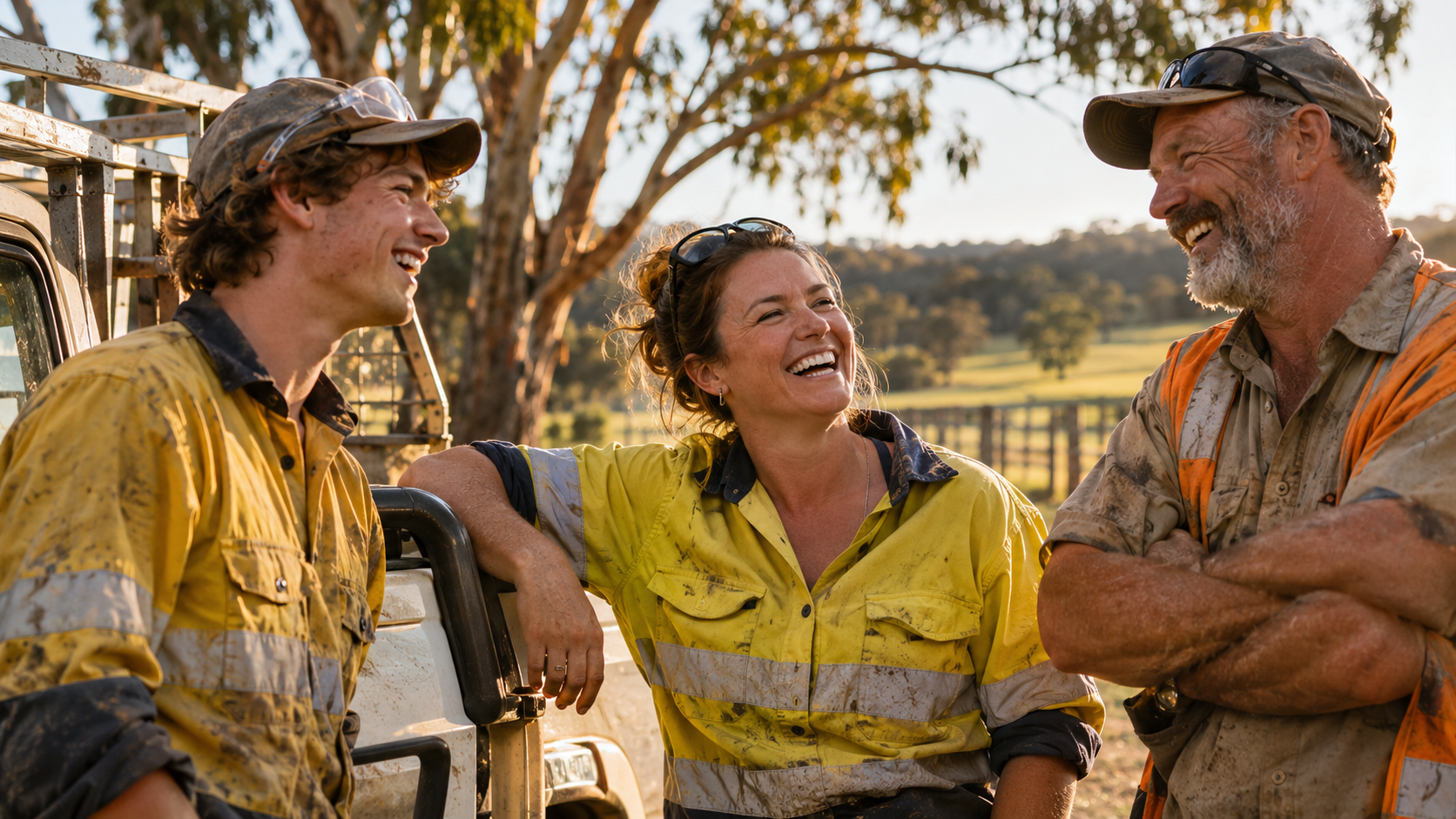
The Industry Needs People. And It Needs Them to Stay.
The same story in Queensland, across Australia and around the world
Queensland
$75B
construction pipeline at its expected peak in 2027-28, up from around $60B
Australia
141,000
construction workers short today, with warnings the gap could reach 300,000 by 2027
13%
of the construction workforce are women, and only around 3% of trade occupations
59.4%
six-year completion rate for construction trade apprentices. Around 4 in 10 don't finish
Around the World
349,000
new construction workers needed in the United States in 2026, more than half just to replace retirees
206,000
extra construction workers needed in the United Kingdom by 2030, about 41,200 every year
1 in 5
US construction workers are 55 or older, and younger workers aren't arriving fast enough to replace them
Wherever I've worked with trade businesses, the challenge is the same. We need to bring in young people, welcome women on the tools and in the business, and support everyone to learn, grow and stay.
Why This Page Exists
When a Trade Business Makes Room for Everyone, It Gets Stronger for Everyone
After more than 20 years working with trade businesses around the world, I've seen what keeps good people and what drives them away. This page is where I share what I've learned, and what I'm doing to help.
Women in the Trades
On the Tools and Behind Them
When people talk about women in the trades, they usually picture a woman on site. She matters, and we need many more of her.
But women have been holding trade businesses together for a long time. They're the office managers, schedulers, estimators and project managers. They're the business owners and co-owners. Often they're the partner who quietly runs the whole back office of the family business, and the person everyone goes to when something goes wrong.
13% and 3%
Women make up 13% of Australia's construction workforce, but only around 3% of trade occupations.
Master Builders SABehind the scenes
The largest share of women in construction work in administrative and support roles, often the people keeping the business running.
House GrailWilling to join
Young women would be willing to enter construction if workplace conditions improved. Salary alone isn't enough.
Adelaide University, 2026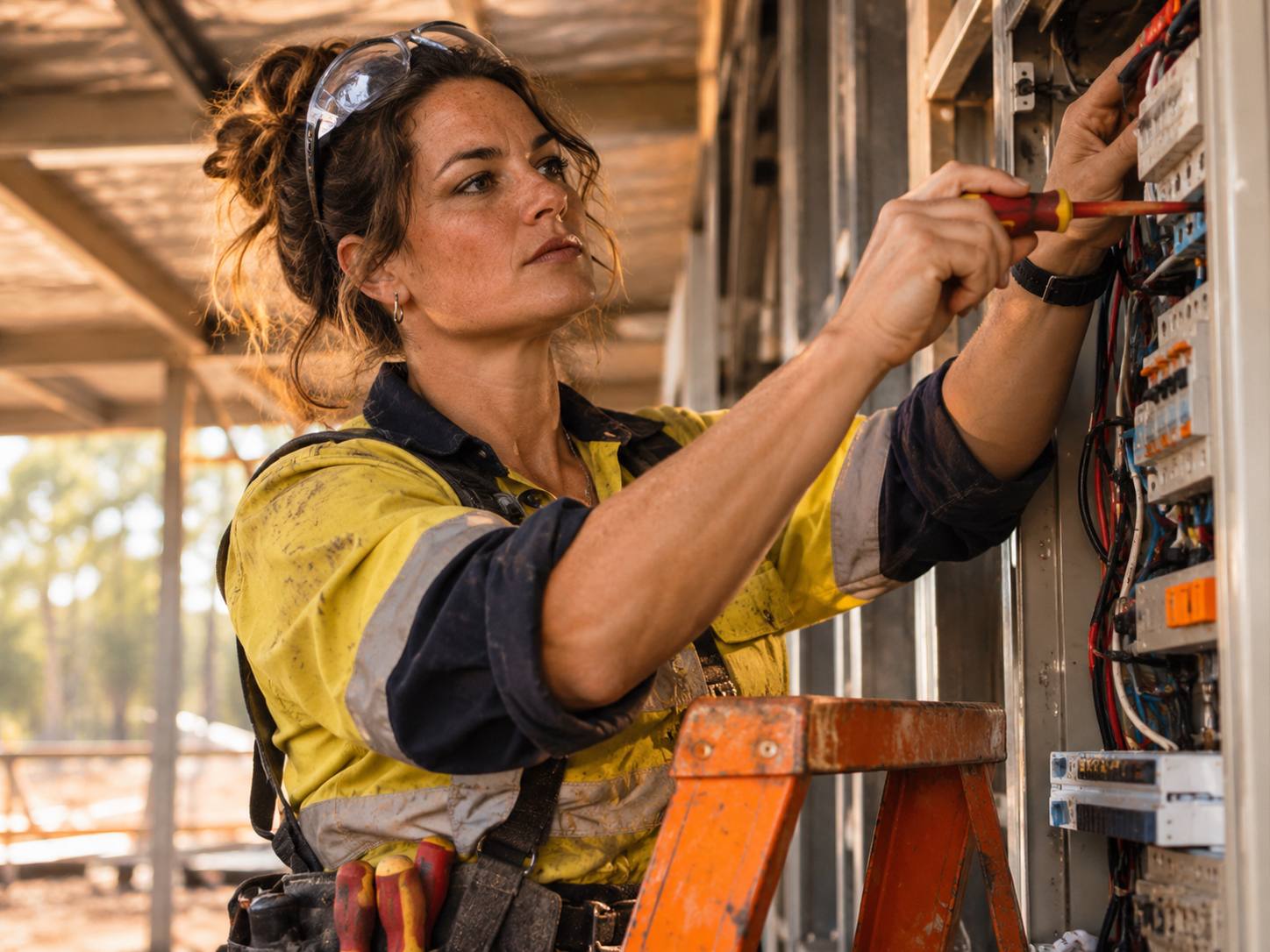
On the tools
We need more women to come into the trades and, just as importantly, to stay. That means crews where women are respected, workplaces set up for them, and businesses that see them as part of the future, not an exception.
In the office and the business
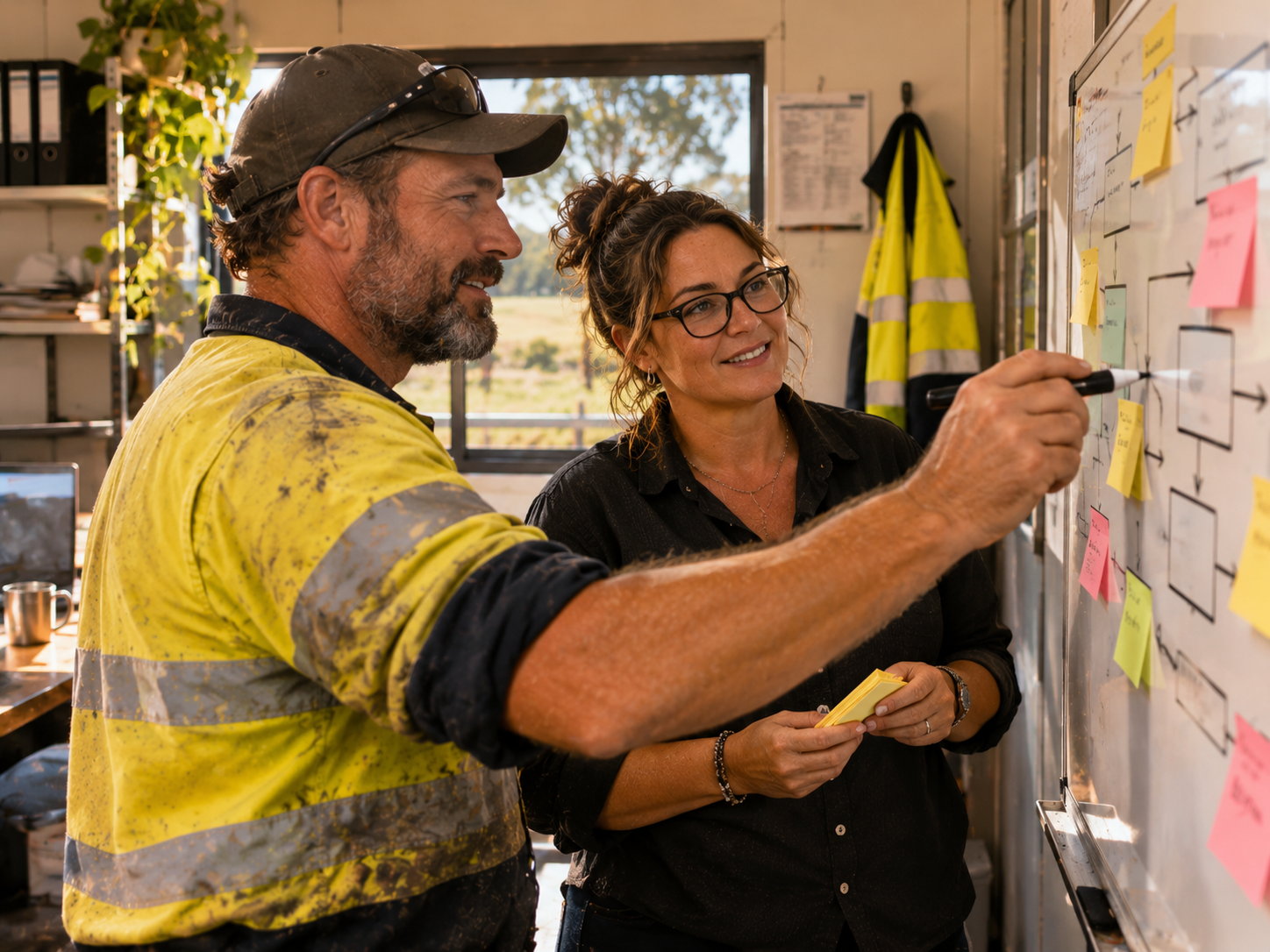
The women running operations, admin and the back office deserve recognition, and the systems, skills and confidence to do the job without carrying it all alone. That's the work I've done for more than 20 years: building systems a team can trust, so the business doesn't depend on one person holding it together.
A gift for the women finding their place
The Unfinished Woman is my book about still becoming who you are, at any age. It's free to download, because no one should have to figure it all out alone.
Proudly supporting Awesome Women in Construction (AWIC), a Queensland not-for-profit helping women build rewarding careers across the construction industry through networking, resources and advocacy. Visit AWIC
Want to help too? AWIC's Build Australia initiative lets individuals and businesses fund mentoring, school workshops and career programs for the next generation of the construction workforce, one brick at a time.
Young People and the Regions
A Great Career, Without Leaving Home
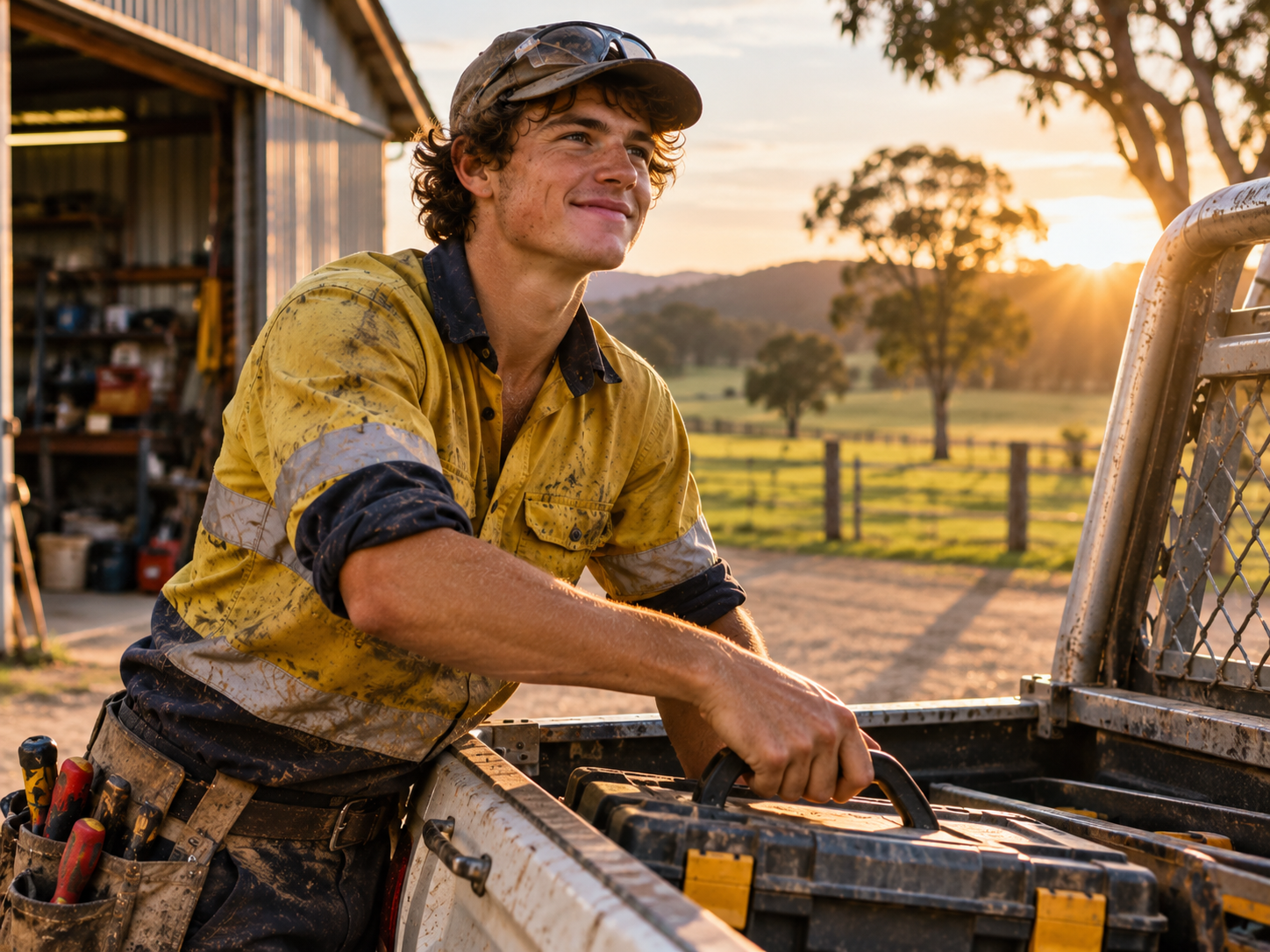
Too many young people think they have to move to the city to build a career. In the trades, they don't.
A trade can give you a skill for life, good money and a future, right here in your own community. And when young people stay, our regional towns stay strong too.
I swapped Brisbane for 25 acres in rural Queensland, and I still work with trade businesses all over the world. If I can build a career from here, a young person can build a great one in a trade without ever leaving their home town.
For that to happen, local trade businesses need to be places young people want to work: where they're trained properly, listened to, and given a path to grow.
Only 49%
of apprentices said they got good information at school about all their career pathway options.
Build AustraliaMore open
Regional young people show greater openness to trade careers, often through family ties and seeing local industry up close.
RESA Gen Z researchTrade Youth Pathway Program: In Development
Future Trades Leaders and Intrapreneurs
A program to introduce young Australians aged 16 to 25 to modern trade careers: technology, systems, leadership and the mindset of the intrapreneur. Because the industry doesn't just need more workers. It needs workers who understand the business they're building.
We're building it now. Watch this space, or register your interest below and be the first to know when it's ready.
Coming Soon
Ages 16 to 25
Trade Businesses
Schools and TAFEs
Online Access
Regional Focus
More Than a Trade. A Career with Range.
Most young people see a trade career as one thing: the tools. This program shows them it's a whole ecosystem of technology, systems, operations, leadership and business. And that the most valuable person in a trade business isn't just the best on the tools. It's the one who also understands how the business works.
Broaden the Vision
Show young people the full range of roles in a modern trade business, from field and office to systems, administration and leadership, so they can see where they fit now and where they could grow.
Build Intrapreneur Thinking
Introduce the mindset of someone who thinks like an owner while working within a business: spotting problems, creating solutions and driving improvement from the inside out.
Support Regional Retention
Help young people in regional areas see that high-quality, technology-led trade careers exist right where they live, without having to leave their communities to find meaningful work.
Strengthen Trade Businesses
Give trade business owners a pipeline of young people who already understand systems, operations and professional expectations, cutting the cost and time of onboarding from day one.
Seven Modules. Real-World Relevance.
Every module is being built around real trade business scenarios, not theory. Participants will leave with practical knowledge, completed worksheets and a clear picture of their next step.
1
Trade Careers Today and Beyond
An industry overview and the common misconceptions, showing what modern trade careers actually look like beyond the tools and boots. Technology, systems, operations and leadership are all part of the picture.
2
What Is an Intrapreneur?
Workers versus problem solvers. Introducing the mindset of someone who thinks like an owner while working within a business, a concept that changes how young people see their role and their value.
3
Career Clarity Worksheet
Strengths and interest mapping, helping participants see where their natural abilities align with real opportunities across the trade sector, from field operations to business systems and leadership.
4
Trade Business Structure
Field, office, systems and admin roles. Mapping the full ecosystem of a trade business so young people can see every pathway open to them, now and as they grow.
5
Systems Introduction
A practical introduction to job management workflows, showing how technology runs the operational side of a modern trade business and why digital literacy is now a core trade skill.
6
Challenge Fix Activity
A real trade business problem-solving exercise. Participants work through an actual operational challenge, building critical thinking, commercial awareness and teamwork.
7
Next Step Pathways
Traineeships, apprenticeships and admin roles. A clear map of what participants can do next, including the non-trade entry points into the industry that young people often never hear about.
Tools, Resources and Delivery
Every participant will work through the program with a complete toolkit of practical resources they keep and use beyond the session.
- Career Clarity Worksheet
- Trade Employer Companion Sheet
- Intrapreneur Journey Map
- Systems Introduction Exercise
- Workshop Slide Deck
- Job Scheduling Challenge Exercise
Trade Businesses Directly
Delivered in-business for owners who want to attract and develop young talent, building a pipeline of work-ready young people who already understand how the business runs.
Schools and TAFEs
A workshop format for students exploring trade pathways: hands-on, practical and genuinely relevant to regional students considering their next step.
Online, Open to Anyone
Self-paced digital access for young people, parents, career advisors and businesses anywhere in Australia.
Built for Everyone in the Ecosystem
Young People 16 to 25
Exploring what a trade career actually looks like, and where you could take it.
Trade Business Owners
Building a pipeline of young people who arrive ready to contribute, not just learn the basics.
Schools and TAFEs
Looking for industry-connected, practical programs that bring trade careers to life for students.
Parents and Career Advisors
Wanting to understand the modern trade industry before guiding young people towards it.
Custom program design and delivery
Every business, school and community is different. If you'd like a version of this program shaped around your people, your trades or your region, I design and deliver custom learning programs, from hands-on workshops to interactive online modules. Let's talk about what would work for you.
Learning That Keeps People
Bringing People In Is Only Half the Job
We can attract more young people and more women to the trades, but they'll only stay if they're supported to learn and grow. That's true on the tools, in the office and in leadership. After more than 20 years in learning and development for trade businesses, this is where I see the biggest difference made.
Onboarding that sets people up
A clear first day, first week and first month, so new starters know what's expected and who to ask, instead of being left to work it out alone.
Training built for how people learn
Short, practical, hands-on learning that fits around real work, for apprentices, office teams and supervisors alike.
Mentoring and someone in their corner
Every apprentice, every new admin starter and every woman entering the industry does better with a person who checks in and backs them.
Systems that teach
Documented processes and SOPs mean knowledge isn't locked in one person's head, so everyone can learn the right way to do the job.
Why it matters: national research on apprentices who don't finish found that, for most of them, steps could have been taken to encourage them to complete. Good support isn't a nice extra. It's how we keep the people we've worked so hard to bring in. Source: NCVER
Different Generations, One Crew
Different Boots, Same Ground
An apprentice, a woman starting out, an office manager and a foreman with 30 years' experience can all care deeply about the job. They just show respect in different ways.
When a crew doesn't understand that, people feel disrespected and good people leave. When it does, people stay.
That's what my book Different Boots, Same Ground is about. It introduces the Respect Code of the Trades, a simple way for every generation on a crew, and in the office, to understand each other and work better together.
Learn more about Different Boots, Same Ground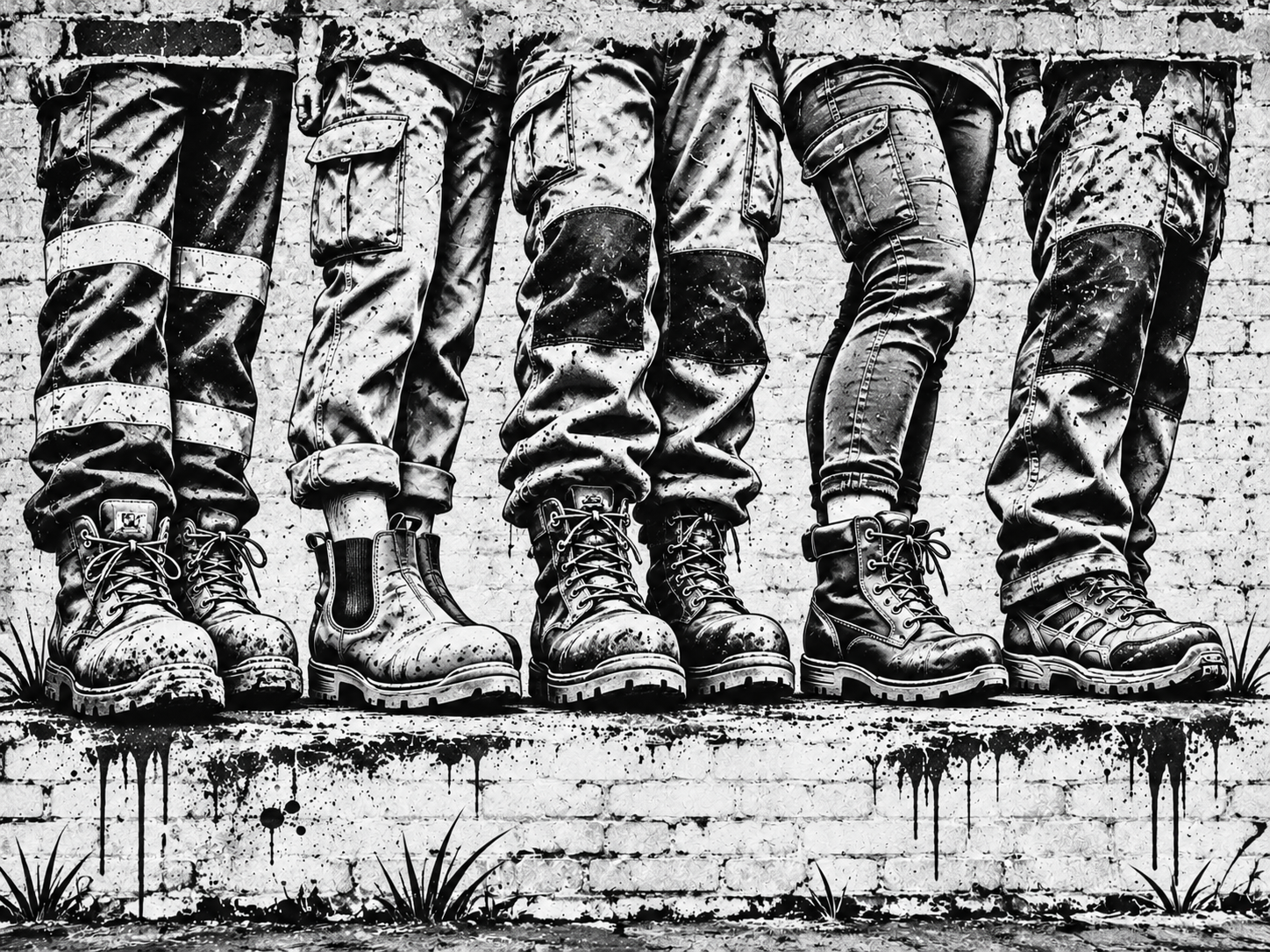
For Employers
Keeping Good People
Recruiting is hard. Losing good people you've already trained is harder. Here's what I see working in trade businesses that keep their people:
- Onboarding that actually happens. New starters, on site or in the office, know what's expected, who to ask and how things are done, instead of "go ask Jo."
- Systems that don't live in one person's head. When knowledge is shared, no one is overloaded and no one is a single point of failure.
- Respect across generations. Crews that understand how each person shows respect argue less and stay longer.
- Room for everyone. Workplaces set up for women and young people, from site amenities to flexible hours where possible.
- Recognition for the back office. The people holding operations together are seen, trained and supported.
- Look after the person, not just the business. Long days and pressure take a toll, on the tools and in the office. Businesses that check in on their people keep them.
- A path to grow. People stay where they can see a future.
"The trade industry doesn't just need more workers. It needs workers who understand the business they're building."Erika Entz, Business Systems and Operations Strategist, creator of The Viking Code™
How I Contribute
Gain to Share
I've spent more than 20 years gaining knowledge from trade businesses around the world. Now my focus is sharing it.
Writing
My Trade Trilogy on systems, leadership and culture, and The Unfinished Woman, free for anyone who needs it.
Mentoring
Supporting individuals and small businesses in the trades.
Speaking
Sharing these ideas with industry groups, associations and events.
Supporting Women in Construction
Proudly supporting Awesome Women in Construction and the women building careers in our industry.
Let's Talk
Whether you're a business owner who wants to keep good people, a woman finding her place in the industry, a school or TAFE, or an organisation working to grow the trades, I'd love to hear from you.
Book a free 30-minute chat